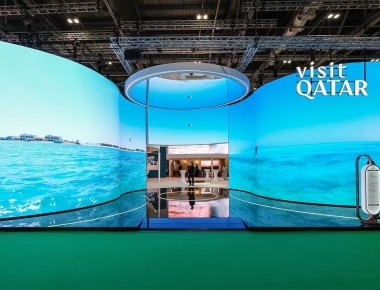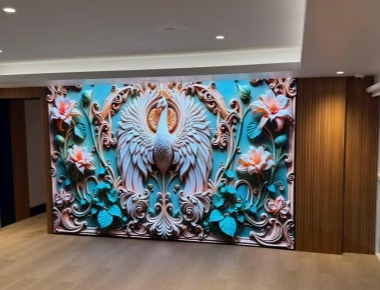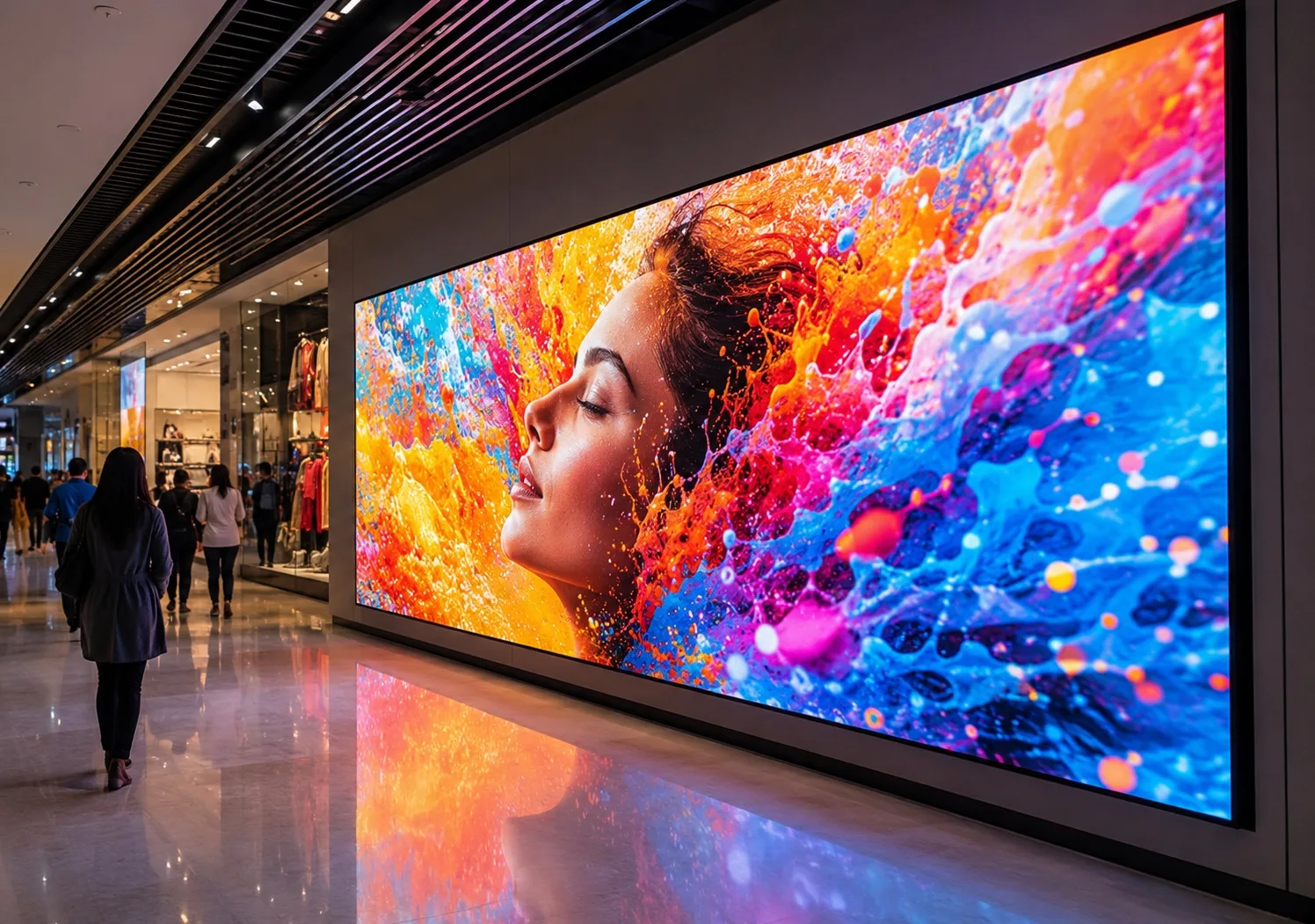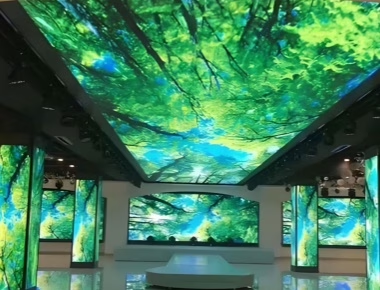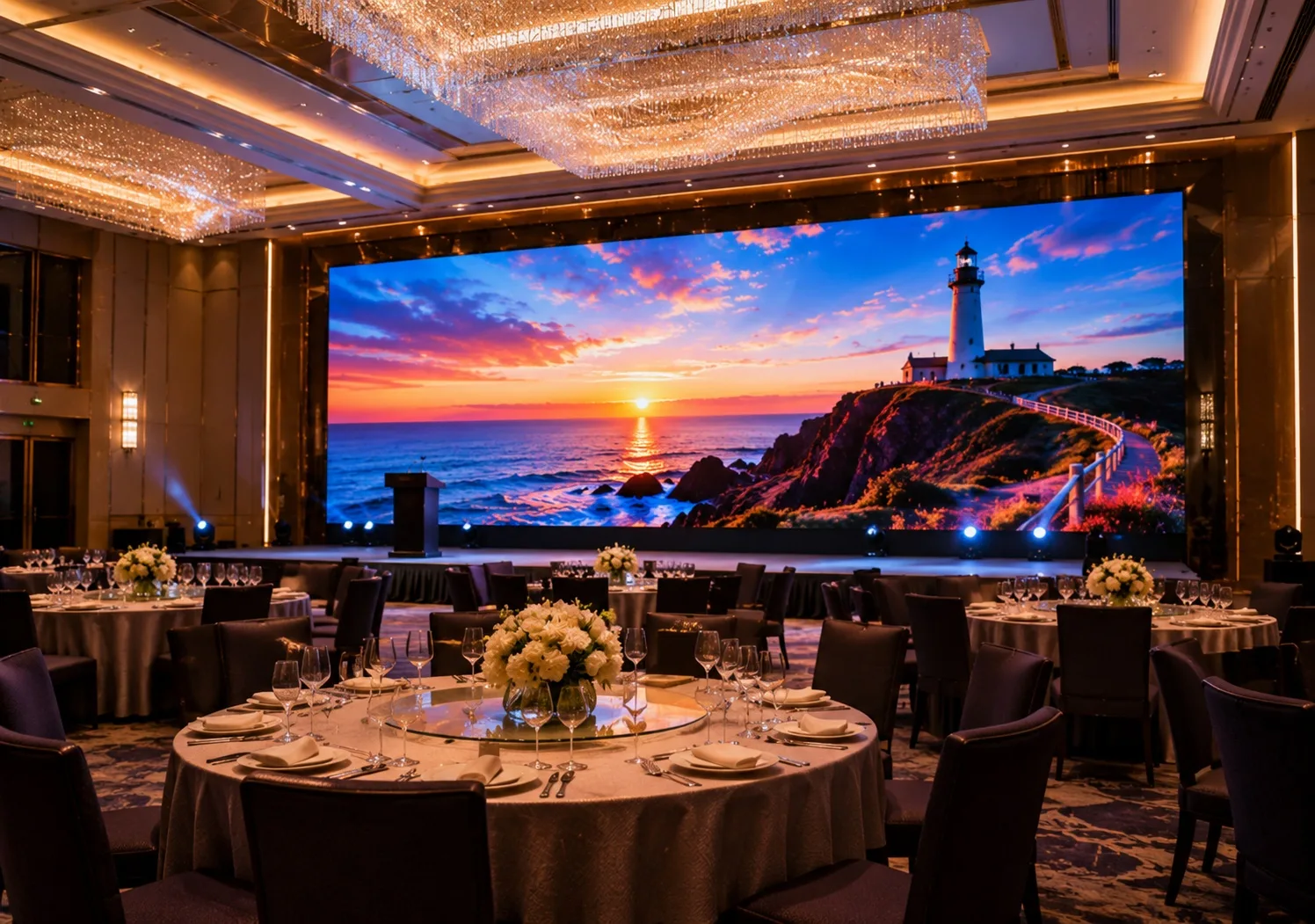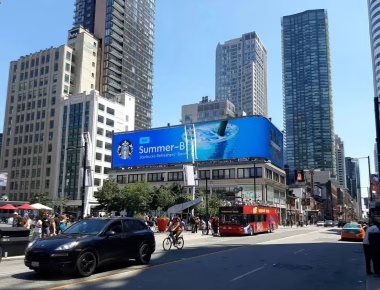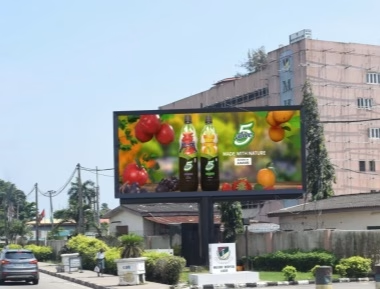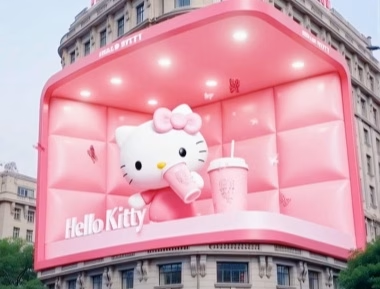















An LED display is a digital screen made of LED modules, LED cabinets, power supplies, control systems and video processing equipment. It can display videos, images, advertisements, live camera signals, brand content and public information with high brightness and vivid color. LED displays are widely used for indoor LED video walls, outdoor LED billboards, rental LED screens, transparent LED displays, plug and play LED displays and flexible LED displays. Compared with traditional LCD screens or projectors, an LED screen can be customized into larger sizes, supports seamless splicing, offers better visibility and is suitable for long-term commercial applications.
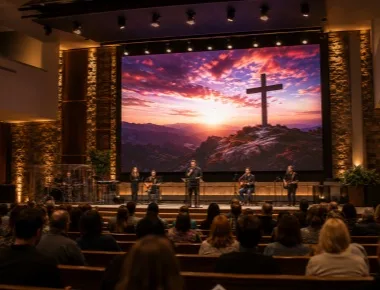
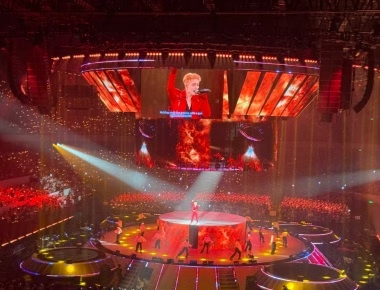
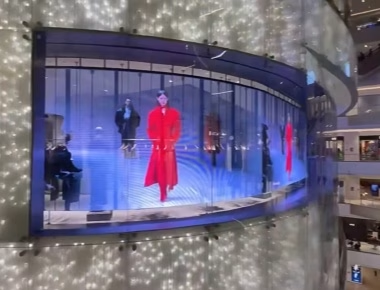
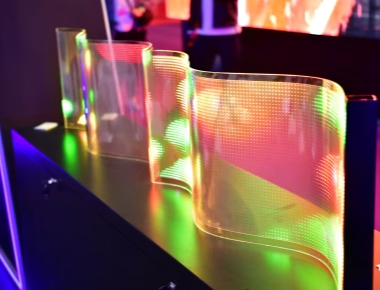
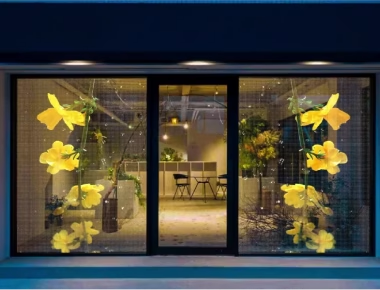
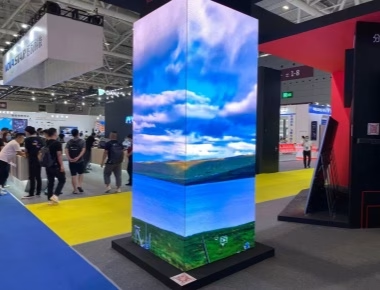
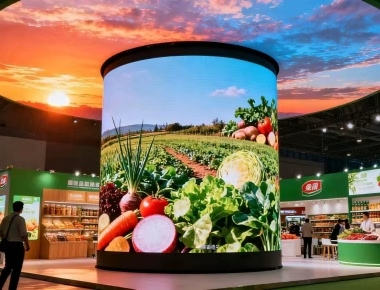
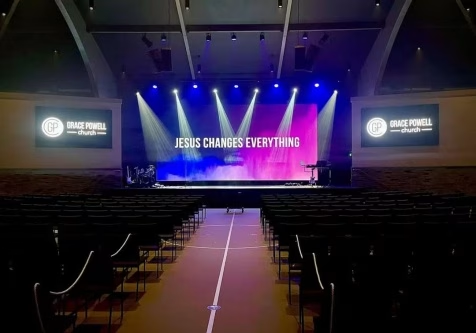
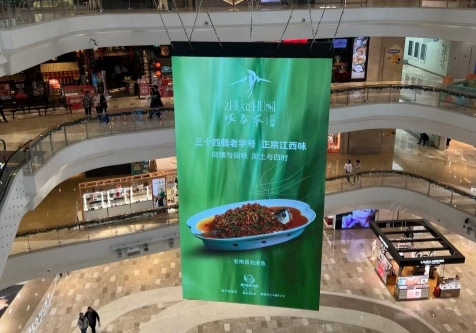
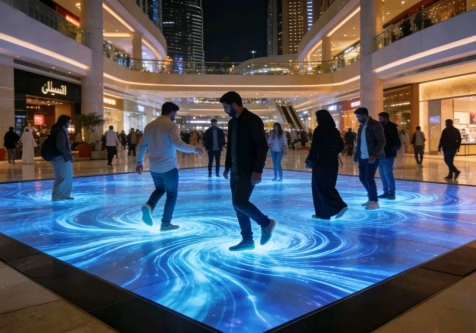
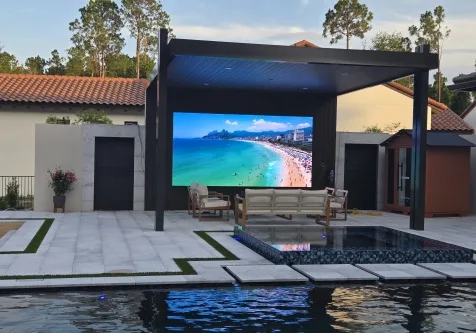
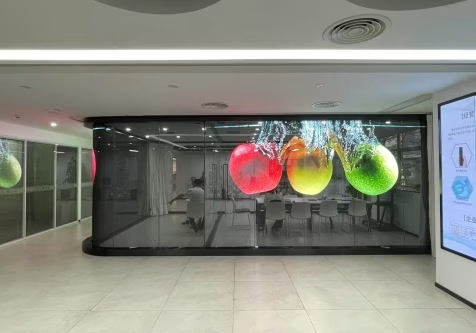
The most common LED display products include indoor LED display, outdoor LED display, rental LED display, transparent LED display, plug and play LED display and flexible LED display. Indoor LED displays are mainly used for meeting rooms, control rooms, churches, shopping malls, hotels and showrooms. Outdoor LED displays are used for advertising billboards, stadiums, building facades and public spaces. Rental LED displays are designed for concerts, exhibitions, events and stage shows. Transparent LED displays are suitable for glass walls and retail windows. Plug and play LED displays are easy to install and operate, while flexible LED displays are used for curved, cylindrical and creative LED video wall projects.
To choose the right LED display solution, you need to consider the application, installation environment, viewing distance, screen size, brightness requirement, pixel pitch, maintenance method and budget. For close viewing distance, an indoor fine pitch LED display is usually recommended. For outdoor advertising, you need a high-brightness and waterproof outdoor LED display. For events and concerts, a lightweight rental LED display is more suitable. For glass walls or retail storefronts, a transparent LED display can keep the space bright and modern. LEDU can help customers choose the right LED screen based on project drawings, installation photos and application requirements.
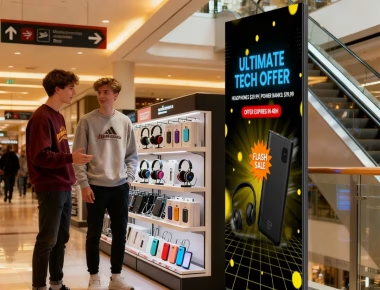
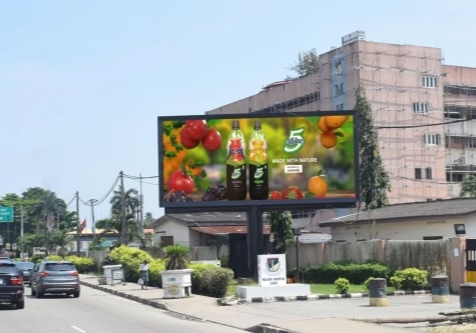
The main difference between indoor LED display and outdoor LED display is brightness, waterproof protection, cabinet structure and application environment. Indoor LED displays usually have finer pixel pitch, lower brightness and better close-viewing image quality. They are suitable for conference rooms, control rooms, retail stores, churches, hotels and commercial spaces. Outdoor LED displays require higher brightness, waterproof design, weather resistance, strong cabinet structure and stable performance under sunlight, rain, wind and dust. Outdoor LED screens are commonly used for LED billboards, building facades, stadiums, shopping centers and digital out-of-home advertising.
Pixel pitch means the distance between two LED pixels on an LED screen. A smaller pixel pitch means higher resolution and clearer image quality at a closer viewing distance. For example, indoor LED displays often use fine pixel pitch for meeting rooms, control rooms and retail spaces where viewers stand close to the screen. Outdoor LED displays usually use larger pixel pitch because the viewing distance is longer. Choosing the right pixel pitch is very important because it affects image clarity, LED display price and viewing experience. LEDU can recommend suitable pixel pitch according to your screen size, viewing distance and project budget.
The cost of an LED display depends on many factors, including product type, pixel pitch, screen size, cabinet material, brightness, refresh rate, control system, installation structure and shipping method. Generally, fine pitch indoor LED displays cost more per square meter than standard indoor LED screens because they have higher resolution. Outdoor LED displays may cost more due to waterproof cabinets and high-brightness LEDs. Rental LED displays require lightweight cabinets and quick-lock systems. Transparent LED displays, plug and play LED displays and flexible LED displays may have different prices based on customization. Contact LEDU for a professional LED display quotation based on your project details.
To get an accurate LED display quotation, please provide the application, installation environment, required screen size, viewing distance, indoor or outdoor use, expected brightness, installation method, country, project photos or drawings if available. For example, if you need an indoor LED display, please tell us whether it will be used in a meeting room, control room, church, showroom or shopping mall. If you need an outdoor LED display, please confirm whether it will be installed on a building facade, roadside billboard, stadium or public area. LEDU will recommend the right pixel pitch, LED cabinet, control system and installation solution.
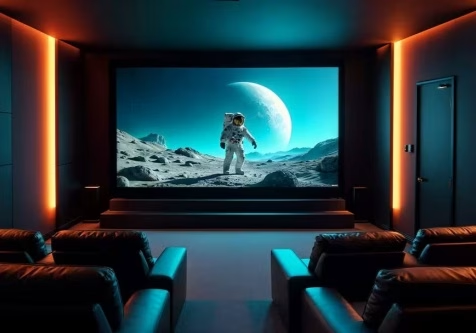
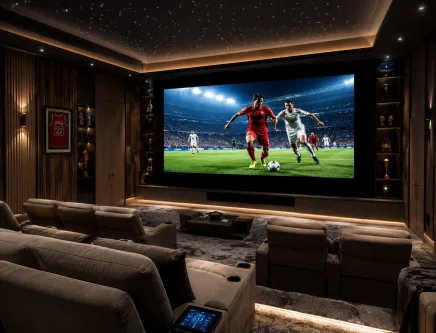
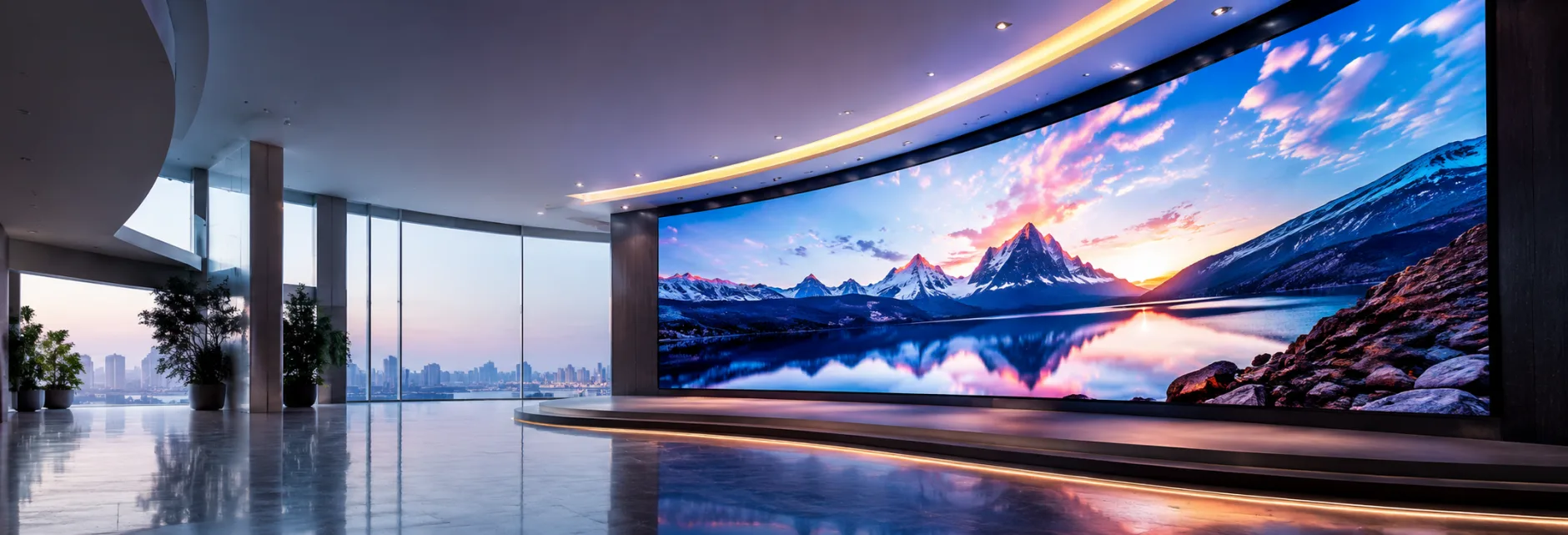
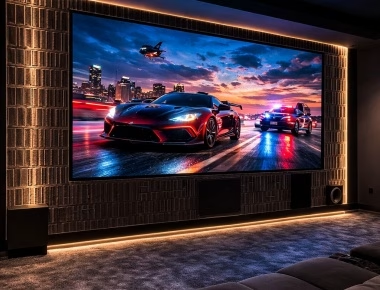
An indoor LED display offers high resolution, seamless splicing, vivid color, wide viewing angle and stable performance. It is a professional solution for corporate meeting rooms, control rooms, broadcast studios, churches, hotels, shopping malls, retail stores and commercial showrooms. Compared with projectors, an indoor LED video wall provides higher brightness and better image quality under normal lighting. Compared with LCD video walls, an indoor LED display has no visible bezels and can be customized into different sizes. LEDU indoor LED display solutions are suitable for both fixed installation and high-end commercial visual applications.
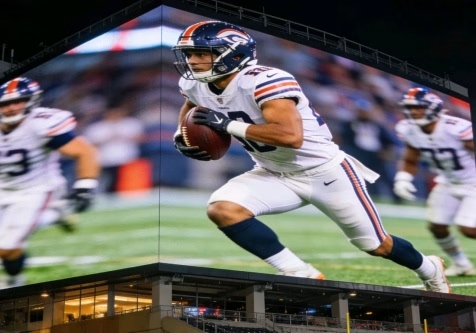
An outdoor LED display is designed for high visibility in sunlight and stable performance in outdoor environments. It usually features high brightness, waterproof protection, weather resistance, strong cabinet structure, energy-saving design and long service life. Outdoor LED screens are widely used for LED billboards, building facades, stadiums, transportation hubs, shopping centers, commercial streets and DOOH advertising. A professional outdoor LED display helps advertisers update content quickly, attract more attention and improve brand exposure. LEDU provides customized outdoor LED display solutions based on installation location, viewing distance, screen size and local weather conditions.
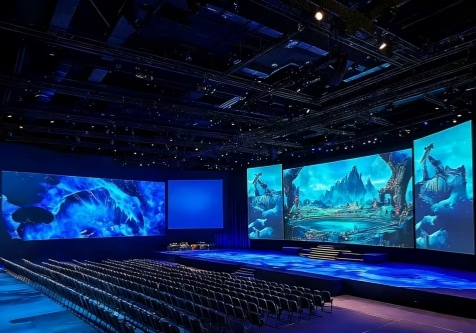
A rental LED display is an LED screen designed for temporary installation and repeated use. It is widely used for concerts, exhibitions, conferences, stage shows, churches, live events, trade shows and product launches. Compared with fixed LED screens, rental LED display panels usually have lightweight cabinets, fast-lock systems, precise cabinet alignment, easy maintenance and quick installation design. Rental LED displays can be used for stage backgrounds, side screens, exhibition booths, live streaming walls and outdoor events. LEDU rental LED display solutions help event companies, AV rental companies and stage contractors save installation time and improve project efficiency.
We value your privacy
We use cookies to enhance your browsing experience, serve personalised ads or content, and analyse our traffic. By clicking "Accept All", you consent to our use of cookies.
Customise Consent Preferences
We use cookies to help you navigate efficiently and perform certain functions. You will find detailed information about all cookies under each consent category below.
The cookies that are categorised as "Necessary" are stored on your browser as they are essential for enabling the basic functionalities of the site. Show more
Necessary cookies are required to enable the basic features of this site, such as providing secure log-in or adjusting your consent preferences. These cookies do not store any personally identifiable data.
Functional cookies help perform certain functionalities like sharing the content of the website on social media platforms, collecting feedback, and other third-party features.
Analytical cookies are used to understand how visitors interact with the website. These cookies help provide information on metrics such as the number of visitors, bounce rate, traffic source, etc.
Performance cookies are used to understand and analyse the key performance indexes of the website which helps in delivering a better user experience for the visitors.
Advertisement cookies are used to provide visitors with customised advertisements based on the pages you visited previously and to analyse the effectiveness of the ad campaigns.